


Have a question? Contact us
Fill out the form and we will provide an answer or consultation as soon as possible.

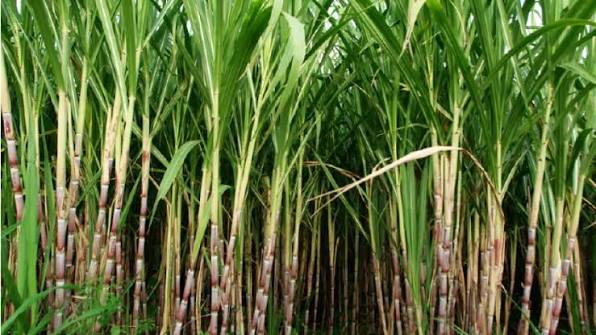
Sugarcane farmers on South Africa’s North Coast have warned that a severe shortage of cane-cutting workers is delaying harvesting and could threaten the continued operation of local sugar mills.
The labour shortage follows the departure of many foreign workers from the country after recent anti-illegal immigration marches and community raids, leaving growers struggling to harvest mature sugarcane.
One farmer said some farms had lost up to 80% of their cane-cutting workforce almost overnight, severely affecting harvesting operations.
«Production and supply have deteriorated to the point where it is going to be difficult for the mills to stay open», — the farmer said.
He added that harvesting was already about a month behind schedule because of the delayed opening of Maidstone Mill, and the labour shortage could result in another month’s delay.
According to the farmer, harvesting sugarcane after it reaches peak maturity or delaying its delivery to mills reduces sugar recovery and lowers juice quality, affecting both growers and processors.
He also said replacing experienced cane cutters has proved difficult because cane harvesting requires skilled labour.
«Even if we get South African labour—and we are currently not getting enough willing locals—the next problem is productivity. Cane cutting is a semi-skilled job. If we don’t cut enough in a day, we cannot deliver enough cane to the mills, and the quality deteriorates if it stands», — he said.
The farmer added that growers are already dealing with a 10-12% decline in cane prices while diesel and other production costs have risen by about 30%.
«If I have to employ additional labour, I don’t know if I will be open tomorrow», — he said.
Another farmer, Pratish Sharma, said the shortage of cane cutters has been severe since June 30, with most foreign workers leaving because of safety concerns.
Although official figures are unavailable, Sharma estimated that around 30% of cane cutters were foreign nationals.
He said farmers prefer hiring workers with proper documentation but some had employed undocumented workers after failing to find enough legally documented labour.
«Foreign nationals have been part of our communities for more than 20 years. They were employed like anyone else and were not paid any less. They mostly filled cane-cutting jobs, which are now proving very difficult to fill», — Sharma said.
He warned that delays in harvesting could result in further job losses and create additional financial pressure for Tongaat Hulett, which remains under business rescue.
Sharma urged the government to introduce corporate employment visas for seasonal foreign workers when sufficient local labour is unavailable.
South African Farmers Development Association (Safda) Chief Executive Officer Dr Siyabonga Madlala said the organisation had not received reports directly linking labour shortages to the recent anti-illegal immigration protests.
However, he acknowledged that agriculture faces wider labour challenges and said South Africa should consider introducing a seasonal worker programme similar to those used in other countries.
«There may be a need for a special dispensation allowing seasonal labour from SADC countries where local supply is insufficient. This is common in countries such as the USA», — Madlala said.
He added that such a programme would require cooperation between government, the agriculture sector and local communities while ensuring that immigration and labour laws continue to be enforced.
More details: https://www.chinimandi.com/south-africa-labour-shortage-threatens-sugarcane-harvesting-raises-concerns-over-mill-operations/
Fill out the form and we will provide an answer or consultation as soon as possible.