
Have a question? Contact us
Fill out the form and we will provide an answer or consultation as soon as possible.

The 2025/26 sugar season in Ukraine is coming to an end, unfolding against the backdrop of an unfavorable global market environment—declining world sugar prices, expectations of surplus stocks, and active expansion of sweet product production in exporting countries. At the same time, domestic challenges compounded the situation, including adverse weather conditions and reduced sowing areas for sugar beet.
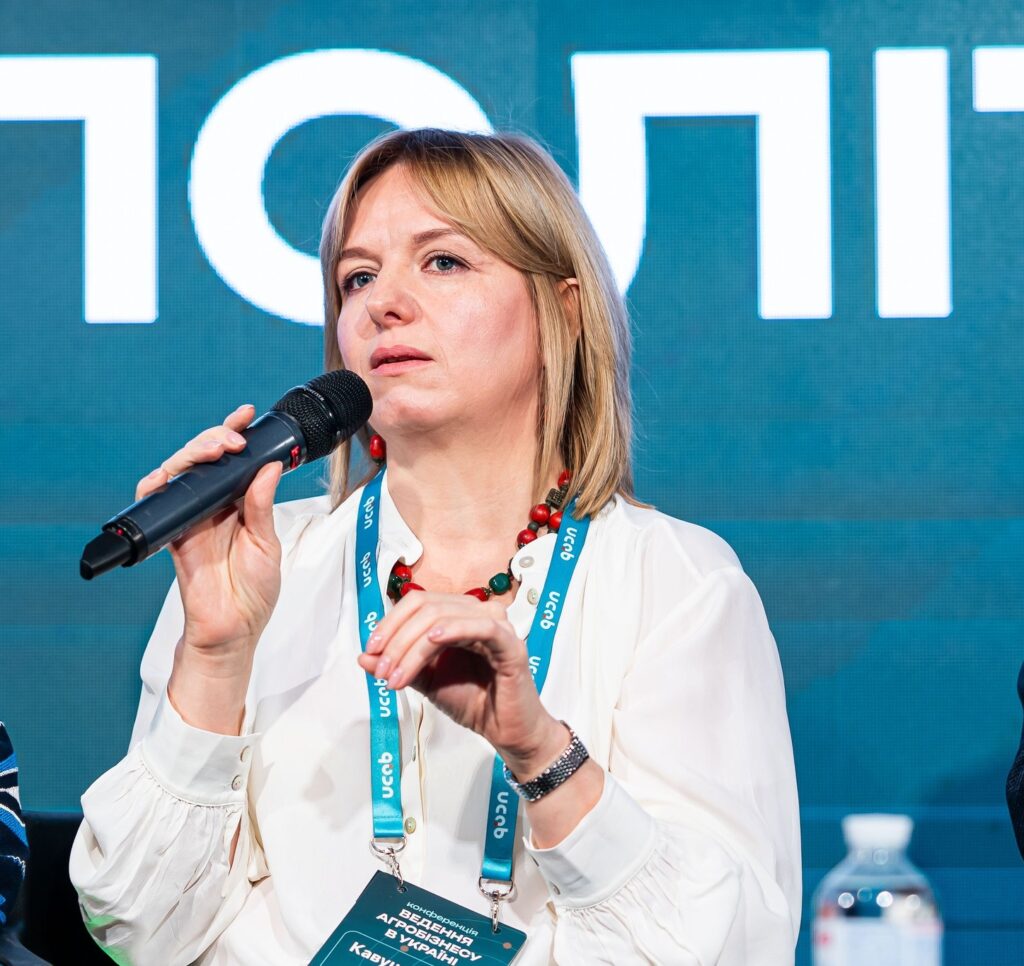
The Ukrainian Farmer spoke with Yana Kavushevska, Head of the National Association of Sugar Producers of Ukraine (“Ukrtsukor”), about the main features of the current season, industry prospects, and global trends in sugar production.
— Ms. Kavushevska, how many factories were involved in sugar production this season? What factors influenced their operations?
— This season, 27 factories operated, 26 of which are members of the “Ukrtsukor” association, two fewer than last year.
One of the biggest challenges this season has been the weather. Heavy rainfall in Vinnytsia and Khmelnytskyi regions significantly complicated the transportation of sugar beet from the fields. In some cases, the inability to deliver raw materials on time led to temporary factory shutdowns. However, after accumulating enough sugar beet, factories resumed operations.
Labor shortages also affected production—there was a lack of specialists at nearly every stage of the process, from operators at key technological units in factories to drivers transporting sugar beet from the fields. Nevertheless, the biggest problem of the season was probably the drop in sugar prices, both in Ukraine and globally. Just a few years ago, in 2022–2023, when we had free access to the EU market, sugar prices there reached $800 per ton. Today, in Poland, for example, prices are around $400 per ton, making exports there largely unprofitable.
Unfortunately, this drop in sugar prices comes amid rising production costs, mainly due to higher energy prices, which account for up to 60% of processing costs, as well as increasing wages.
Additionally, about 60% of the final cost of sugar comes from raw materials—sugar beet—which itself includes a significant share of imported components such as seeds, crop protection products, and fuel, all of which have increased in cost in hryvnia terms.
The combination of these factors increases financial pressure on the industry amid falling market prices. For example, wholesale sugar prices in December 2024 were around 23 UAH/kg, but by December 2025 they had fallen below 20 UAH/kg, below production cost for many factories.
Price trends for sugar and energy were predictable early in the year. Some producers with high natural gas consumption or supply risks, anticipating low sugar prices, deliberately decided not to operate their factories this season.
— And farmers reduced sugar beet sowing areas…
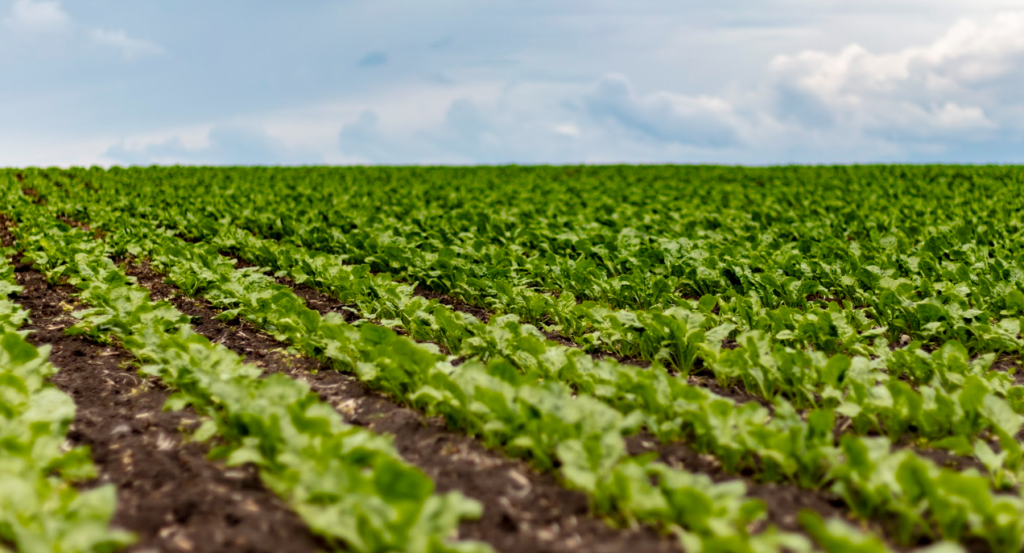
— Yes. Sugar beet acreage decreased from 250,000 to 198,000 hectares, nearly a 20% reduction. However, this year we achieved higher yields—according to our data, over 58 t/ha. Despite the reduced area, projected sugar production for the 2025/26 marketing year will exceed 1.65 million tons.
— So Ukrainian farmers, like their European counterparts, have mastered technologies for higher yields on smaller areas?
— Absolutely. Technologies improve both in Europe and Ukraine, but natural factors—especially rainfall—remain decisive. If conditions are favorable, the season is successful.
A relevant example is this year’s European sugar season. European colleagues, aiming to reduce production and stabilize prices, cut sugar beet areas by 7–9%. Yet favorable weather led to yields above average. For instance, in France, farmers expected 80 t/ha but harvested 90 t/ha. As a result, expected production reduction did not occur.
Similarly, in Ukraine, such yields are achievable under favorable climatic conditions and sufficient rainfall. Farmers now choose modern hybrids and machinery, adopting advanced harvesting and storage technologies, such as beet stacking. Properly stacked sugar beet maintains quality until processing. Ukrainian farmers increasingly apply this knowledge to minimize sugar losses across the entire production chain—from field to storage, transport, and processing.
— During low-price periods, usually only experienced farms grow sugar beet. How might planting areas change next season?
— Currently, price uncertainty makes it difficult to predict next season. Many producers postpone decisions until they understand the profitability of alternative crops like corn, soy, or sunflower.
However, practice shows that even in low-price periods, many producers continue growing sugar beet. This includes not only agribusinesses linked to sugar factories but also independent farms with consistent experience. Thanks to their skill and technology, sugar beet remains profitable.
Some farms this year harvested 70 t/ha with 18% sugar content, earning $700–800/ha. Even these farms may reduce acreage next season, but sugar beet will remain in rotation. It is a good crop, a reliable predecessor, and offers guaranteed sales with short logistics.
Sugar also serves as a form of currency in Ukraine: it keeps well, can be sold domestically, used for payments to stakeholders, or exported by road, avoiding bottlenecks at ports. Since 2022 through early 2024, most Ukrainian sugar exports occurred via road transport.
— How has domestic sugar consumption changed amid efforts to boost processing?
— Before 2014, consumption was around 1.5 million tons. Between 2014–2021, due to the occupation of parts of Donetsk and Luhansk and Crimea, it fell to 1.2 million tons. Today, it is estimated at 900,000 tons per year. Loss of consumers, forced migration, and declining purchasing power all contribute.
With domestic production at 1.8 million tons in recent years, roughly half needed to be exported. In 2023–2024, global conditions allowed Ukrainian sugar to reach over 60 countries, sometimes for the first time. In 2024, a record 746,000 tons were exported; in 2025, exports slowed to 463,700 tons.
— Which countries are the main importers of Ukrainian sugar under EU quotas and tariffs?
— In 2025, Lebanon was the largest buyer, followed by Bulgaria. Other top importers included Libya, North Macedonia, Syria, and Turkey.
Logistics costs are decisive. Ukraine competes with other sugar-producing countries, including Poland, Brazil, and India. Considering transport logistics, Ukrainian sugar is competitive in the Middle East and North Africa.
While the EU is attractive, access is limited. Balkan markets are quota-free, offering opportunities in Montenegro, Albania, and Bosnia and Herzegovina. Serbia, a traditional supplier, is reducing production, opening opportunities for Ukraine. Northern Africa, especially Tunisia, is also interesting, though local production presents competition, with Egypt, Morocco, and Algeria as regional rivals.
— Where does Ukraine rank among world sugar producers?
— Last year, Ukraine ranked 20th globally, producing 1% of total sugar. Beet sugar accounts for only about 30% of global production, and Ukraine is among the top ten beet sugar producers.
— Have sugar prices reached their lowest point, signaling potential future growth?
— The downward trend started last year, driven by high cane yields and processing in Brazil and India. Low sugar prices are unsatisfactory for producers, who may seek adjustments. Significant changes are unlikely in the next 2–3 months. Market cycles of low prices usually last 2–3 years; 2026 will mark the second consecutive year of low prices.
“Black swan” events are possible. For example, higher oil prices could shift Brazil and India toward more profitable bioethanol production, affecting sugar trends.
— Could Ukrainian factories shift to bioethanol production?
— Unlike Brazil or India, Ukrainian beet processing does not operate on an “either-or” principle. Biofuels are produced from processing residues such as beet pulp and molasses. Increasing bioethanol or biogas production in Ukraine would signal higher sugar production, not less.
— How is Ukraine strengthening its EU export position?
— EU export issues are complex and require dialogue with European agro-associations. Ukrainian sugar beet is largely European: seeds, crop protection, harvesting machinery, and processing equipment are sourced from the EU. Expanding Ukrainian sugar exports encourages more European inputs into Ukraine.
EU sugar production is regulated and predictable. Contracts for sugar and beet deliveries are planned in advance. The unexpected entry of Ukrainian sugar in 2022 disrupted this, but cooperation is mutually beneficial: Ukraine produces high-quality beet sugar, delivers efficiently, and meets European standards.
The 2025 EU sugar export licensing and quota system confirmed Ukraine’s commitment to avoid market imbalance and protect European producers. The quota increased from 20,000 to 100,000 tons annually. The Ukrainian government has extended this system for 2026, allowing predictable deliveries to large confectionery, beverage, and retail companies, gradually integrating Ukrainian sugar into EU supply chains.
Fill out the form and we will provide an answer or consultation as soon as possible.