Have a question? Contact us
Fill out the form and we will provide an answer or consultation as soon as possible.
The Ukrainian sugar industry is undergoing a profound structural transformation. The war has accelerated processes that had been developing for years: the raw material supply model has changed, the role of farmers has increased, producers have been forced to invest in infrastructure and reconsider their logistics approaches, and for the first time, the market has fully felt the challenges of European integration.
These changes are not limited to production or processing. The industry is effectively shifting from a traditional vertical model to a broader ecosystem that combines the interests of processing enterprises, farmers, technology partners, and logistics operators. In such a system, the need for coordination and a unified voice grows—especially after Ukrainian sugar entered the European market at a scale Europeans were unprepared for.
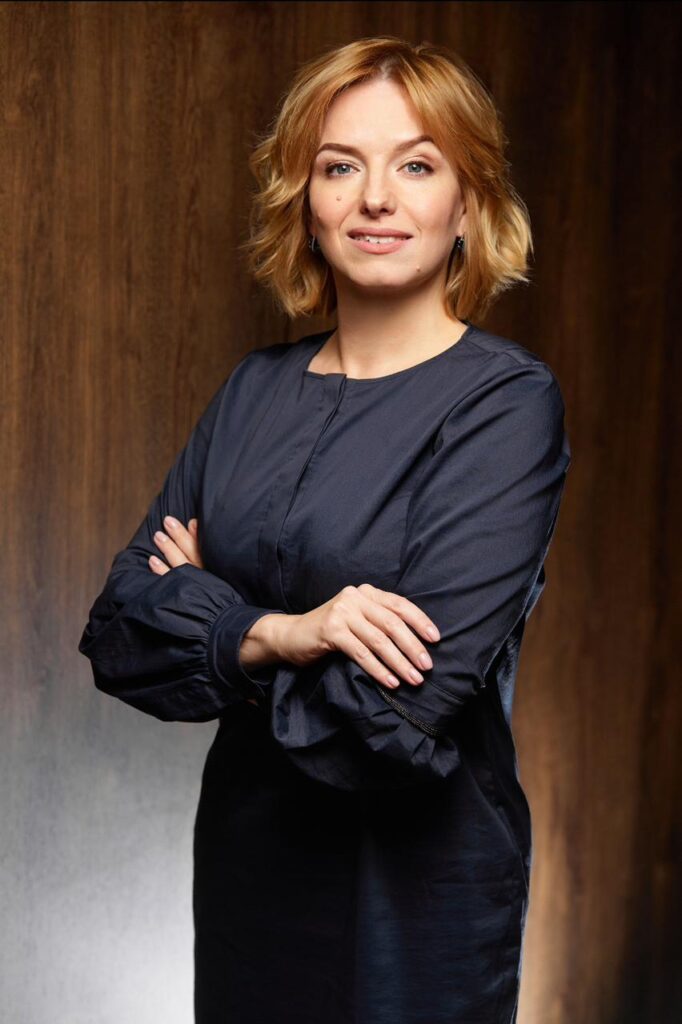
Regarding how the industry is changing during wartime, what is happening with exports, energy, and workforce issues, and what the future of this business in Ukraine might look like, Dariia Isakova (Landlord) spoke with Yana Kavushevska, head of the National Association of Sugar Producers of Ukraine (“Ukrtsukor”).
Dariia Isakova: Yana, you have extensive experience in the sugar business, but this is our first conversation with you in your new role as head of Ukrtsukor. Relaunching the association seems like a complex project. Why did you take it on? What are your goals?
Yana Kavushevska: For me, the 2024 relaunch of Ukrtsukor was a completely logical step, as the industry found itself in a situation where it is impossible to effectively promote and protect its interests without a single representative body. Ukraine is moving toward the European Union, and in the EU, sectoral work has long been organized through associations. If you want to be heard – both in Ukraine and Europe – you need to speak on behalf of an institution representing the industry, not individual companies. That is why reviving Ukrtsukor was not only important but a strategically necessary decision.
Recent years have shown that the sugar industry has changed. It not only survived the war but also increased production volumes: from 1.2 million tons in 2020–2021 to 1.8 million in 2023–2024. Even this year, despite a slight reduction, we expect around 1.5–1.6 million tons. In 2024, the industry set a historic record for exports—746 thousand tons of sugar were delivered to foreign markets. Ukraine has begun to be highlighted separately in global sugar balances, even though we account for only about 1% of global production. This attention obliges us to act responsibly.
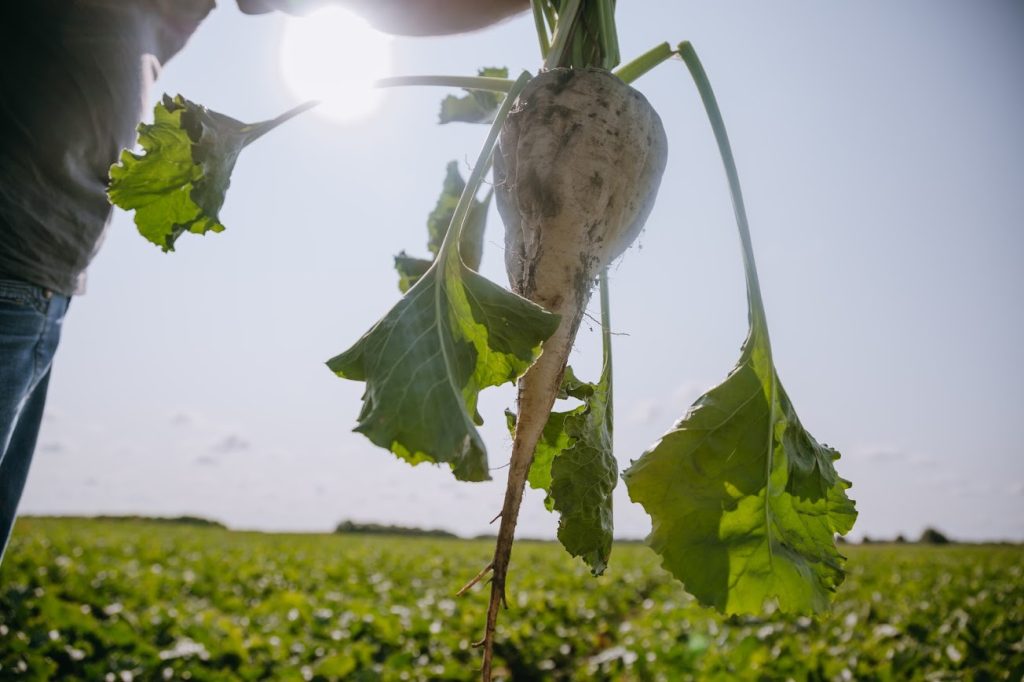
Another important aspect is the change in the industry’s internal model. Over the past three to four years, the role of farmers as raw material suppliers has significantly increased. This brings us closer to the European sugar industry model, where farmers play a major role and influence sectoral policy. Our factories are actively developing partnership programs with farms, involving suppliers of seeds, logistics, financial services, etc. This strengthens the industry’s resilience and competitiveness, while also expanding the list of stakeholders whose interests shape the sector.
Therefore, I see Ukrtsukor’s task as uniting all players involved in sugar production, restoring a holistic representation model within the association, and working on what will define our position in the market—both in Ukraine and abroad. The industry needs a structure that understands real challenges, sees the numbers and trends, can respond to them, and helps all market participants speak with one voice.
Dariia Isakova: A measured dialogue with the EU is especially relevant now, considering the sharp increase in Ukrainian sugar supplies to this market, right?
Yana Kavushevska: Absolutely! The events of 2022–2023 were a turning point for the industry. Before the war, Ukraine had a very small quota for sugar supply to the EU—only 20 thousand tons. This did not significantly affect either the European market or our domestic balance. But after the full-scale invasion, the EU opened its borders to Ukrainian agricultural products, effectively giving sugar a green corridor.
As a result, almost 500 thousand tons of Ukrainian sugar entered Europe in 2023 alone. This was a significant and unexpected volume for the EU: the European sugar trade system is very conservative, long balanced, and each of its elements operates predictably – from beet farmers to companies signing long-term production and supply contracts.
The problem was that Ukrainian exports at this scale were not only unexpected but also chaotic: any company could find a buyer in Europe and send sugar at dumping prices. Often, these were non-specialized companies with no experience in agricultural trade, not considering the consequences for the industry. Frequently, this “cheap” sugar ended up in neighboring countries, such as Poland, which itself is a major sugar producer, causing outrage among local sugar producers and beet farmers.
By the time Ukraine fully realized the consequences and began efforts to regulate exports to the EU, it was too late. In 2024, sugar was included among seven products subject to quota restrictions.
When Ukraine returned to trade with the EU under the Deep and Comprehensive Free Trade Area (DCFTA) this year, the sugar export quota was set at 100 thousand tons—higher than in previous years, but still significantly less than the nearly half a million tons exported in 2023.
It is worth noting that the quota increase was partly possible due to the introduction of an internal licensing procedure for EU exports and quota allocation among producers—an initiative proposed by Ukrtsukor. This mechanism received positive feedback from European sector associations and key market participants, as it fully meets their principles: traceability, predictability, and responsibility.
All these events only confirmed that sugar is one of the most sensitive topics in European agricultural policy.
Dariia Isakova: What makes the European sugar market so closed and sensitive to external changes?
Yana Kavushevska: The European sugar sector has specific characteristics that were underestimated in Ukraine. It is not just a segment of the economy but a complex socio-economic system involving a wide range of participants. Tens of thousands of farms growing sugar beet play a key role, often directly owning sugar factories. These producers are united in extensive professional unions and associations, acting as influential stakeholders in EU and national agricultural policy. For Europeans, sugar is not just a commodity but an important element of economic and political stability and a source of sustainable income for farmers, who are also a strong electoral force. This explains the strong drive to protect it at both national and supranational levels.
In this complex system, a balance has long been established: Europeans know exactly how much beet will be planted, how much sugar will be produced, how much needs to be imported, and even from which countries. Farmers sign beet contracts in advance, sometimes a year before processing. Sugar buyers also conclude long-term agreements. Any sudden additional volumes disrupt this equilibrium.
It is also important that the EU imports not only white sugar but also raw sugar, e.g., from Brazil, which is processed in European refineries. When a large alternative supply of white sugar suddenly appears, the system perceives it as a threat.
Thus, the Ukrainian factor became a catalyst for tension, not because of the product itself, but because it entered a historically closed and highly predictable sector in a rapid and chaotic manner.
Dariia Isakova: The large-scale entry into the European market was a turning point for Ukrainian producers. How did it change the industry and affect export geography?
Yana Kavushevska: The European direction forced Ukrainian producers to restructure operations. When demand arose in the EU, it became clear that not only volumes but also logistics, quality, and speed matter. Many buyers are sensitive to ESG issues. Companies began investing in infrastructure: building silos, improving storage and packaging, and even storing syrup to allow more flexible sales planning.
Another change is the growth of direct export contracts and shipments. Previously, traders handled exports, but after Europe “opened,” most producers had to strengthen or even build their own commercial and logistics teams to manage export contracts efficiently and ensure proper logistics for buyers.
Export geography also changed. Before the war, main export markets were Central Asian countries – Kazakhstan, Uzbekistan, Tajikistan. Now, due to rising costs and logistics challenges, these markets are practically lost. Russian sugar has taken their place. Ukrainian exporters had to seek new opportunities, redirecting sugar to the EU in 2022. In 2024, Ukrainian sugar reached over 60 countries, including exotic destinations like Sri Lanka and Indonesia, often due to temporary market gaps.
Strategic markets remain those where we can compete on logistics costs with other exporters, notably Brazil. Besides the EU, these include the Balkans, Switzerland, the UK, and Middle Eastern and North African countries. For Lebanon or Libya, it is cheaper to import Ukrainian sugar than Brazilian.
The EU market acted as a catalyst, pushing the industry to invest and become more agile. In the previous model, there was no need for investment in quality, silos, or packaging modernization – the European market created these requirements, and the industry adapted faster than expected.
Dariia Isakova: How has the war affected the industry? What did factories have to reconsider first?
Yana Kavushevska: The war affected the industry unevenly, depending on geography. Some enterprises had to halt operations entirely due to shelling, energy interruptions, and safety risks. However, overall, the industry adapted and continued operating, with some companies using the situation as an impetus for modernization and new business directions.
Dariia Isakova: Which technological and “green” standards are now critical for the sugar industry, and how does the war affect investment capacity?
Yana Kavushevska: Ukrainian sugar factories have improved energy efficiency over the past decade but still lag behind European counterparts by about a third. With Ukraine moving toward the EU, Green Deal requirements will become mandatory, requiring significant investment in energy efficiency projects. Energy accounts for 50–60% of processing costs, so modernization is essential. Financial mechanisms for green investments are largely inaccessible, and investor interest is cautious due to the security situation.
Globally, demand is growing for biomethane, biofuels, and bioplastics, where the sugar industry can provide raw materials. However, entering these projects is costly, and investors are cautious. The sector is in a “pause,” aware of global trends and preparing to invest once risks stabilize.
Dariia Isakova: One of the least visible but most painful problems is the workforce shortage. What is happening with specialist training, and how critical is it?
Yana Kavushevska: Workforce issues are acute and long-term. In 1997, Ukraine had 192 sugar factories; now there are 27. Institutions that once trained specialists for the entire USSR have closed or no longer produce sufficient graduates. Companies attempt internal training, but it is insufficient. Modern sugar factories are complex enterprises; untrained personnel cannot operate safely. We are exploring courses, practical programs, and intensives to address this critical shortage.
Dariia Isakova: How has the war affected production economics, and is the industry still profitable?
Yana Kavushevska: The situation is difficult. Beets make up about 60% of sugar cost, with prices influenced by fuel, seed, fertilizers, and spare parts. Energy costs dominate processing expenses. Many enterprises operate at or below profitability. Domestic sugar prices mirror global trends and have recently fallen to about 20,000 UAH per ton, often below production cost. The cyclical nature of the market suggests recovery is expected.
Dariia Isakova: The industry has shifted from vertically integrated holdings to broader ecosystems. How does this affect farmers?
Yana Kavushevska: In the past, large holdings controlled both raw materials and processing. Today, companies increasingly work with “partner beets,” sometimes comprising half or even 100% of supply. This aligns with the European model, giving farmers a meaningful role. Farmers gain income without owning processing facilities and receive consulting support across production stages. Factories gain diversified and stable supply chains. This integrated ecosystem allows flexibility and resilience.
Dariia Isakova: What is the future of the Ukrainian sugar industry? Can it become a modern industrial ecosystem?
Yana Kavushevska: The future could be much larger than imagined. Modern sugar factories can produce not only sugar but bioethanol, biogas, biomethane, organic fertilizers, bioglues, and bioplastics. Some Ukrainian companies are already successful in these areas. Joint action among producers, farmers, and suppliers, as well as investment and predictability, will allow the industry to compete globally. Preserving teams and experience is essential for future development.
Fill out the form and we will provide an answer or consultation as soon as possible.